
Certificate of Analysis
Independent analysis of this lot by Kovera Labs (HPLC-UV).
- Purity
- 99.71%
- Lot
- ML-260906
- Tested Most recent
- Sep 2026
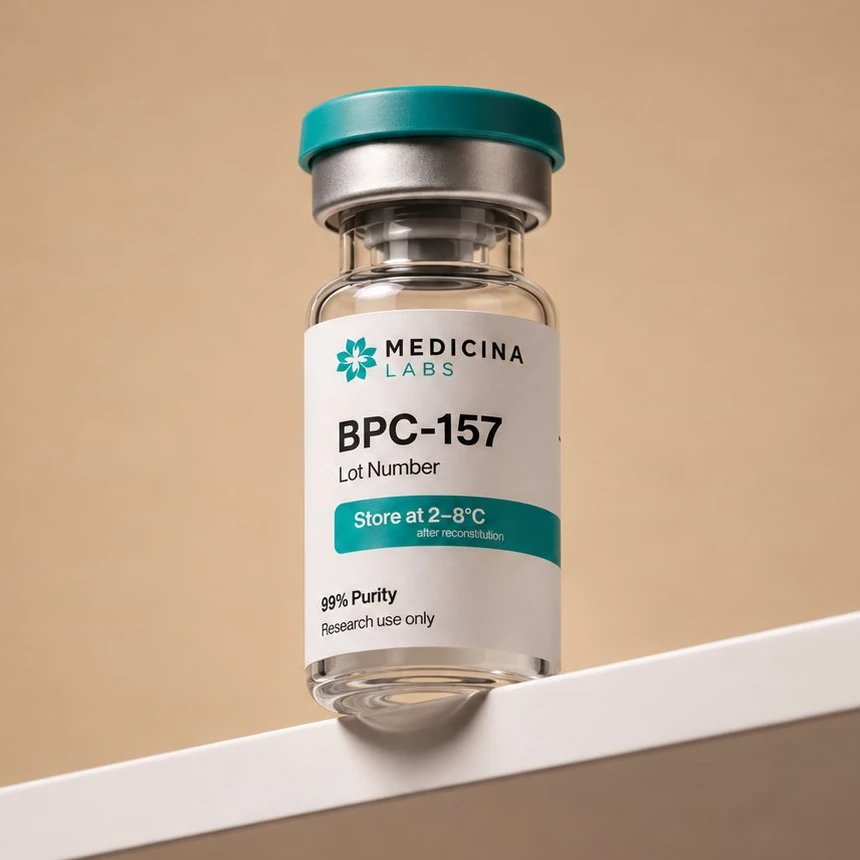
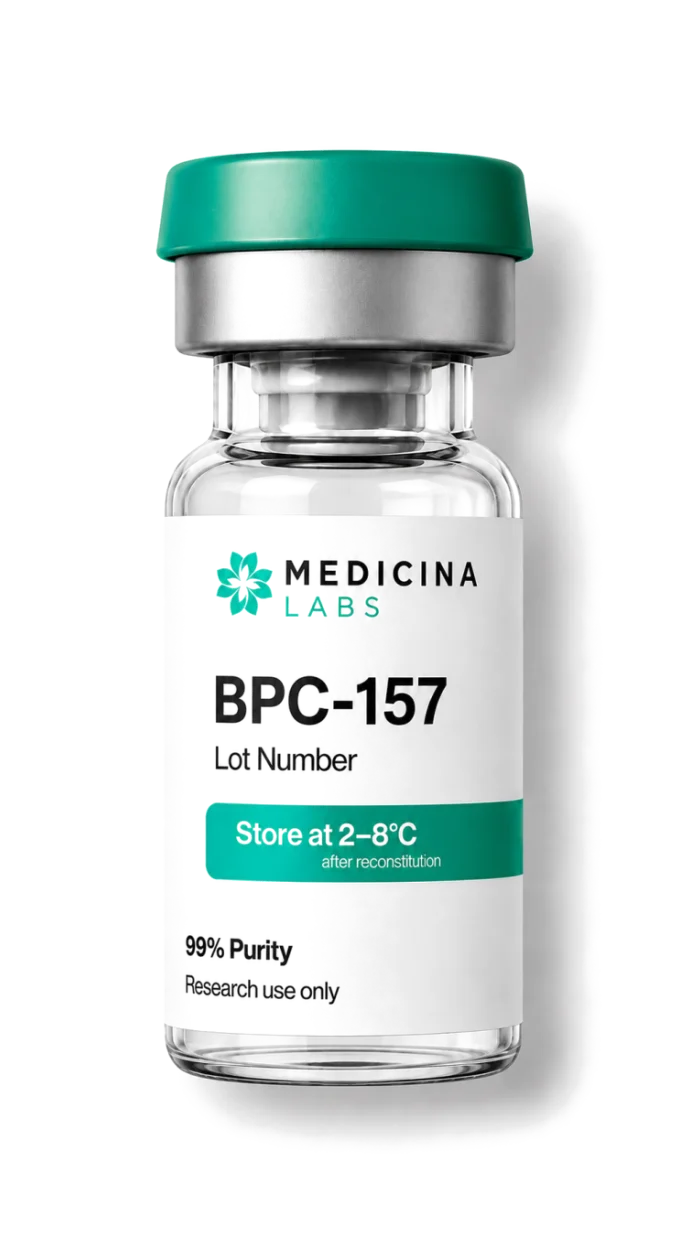
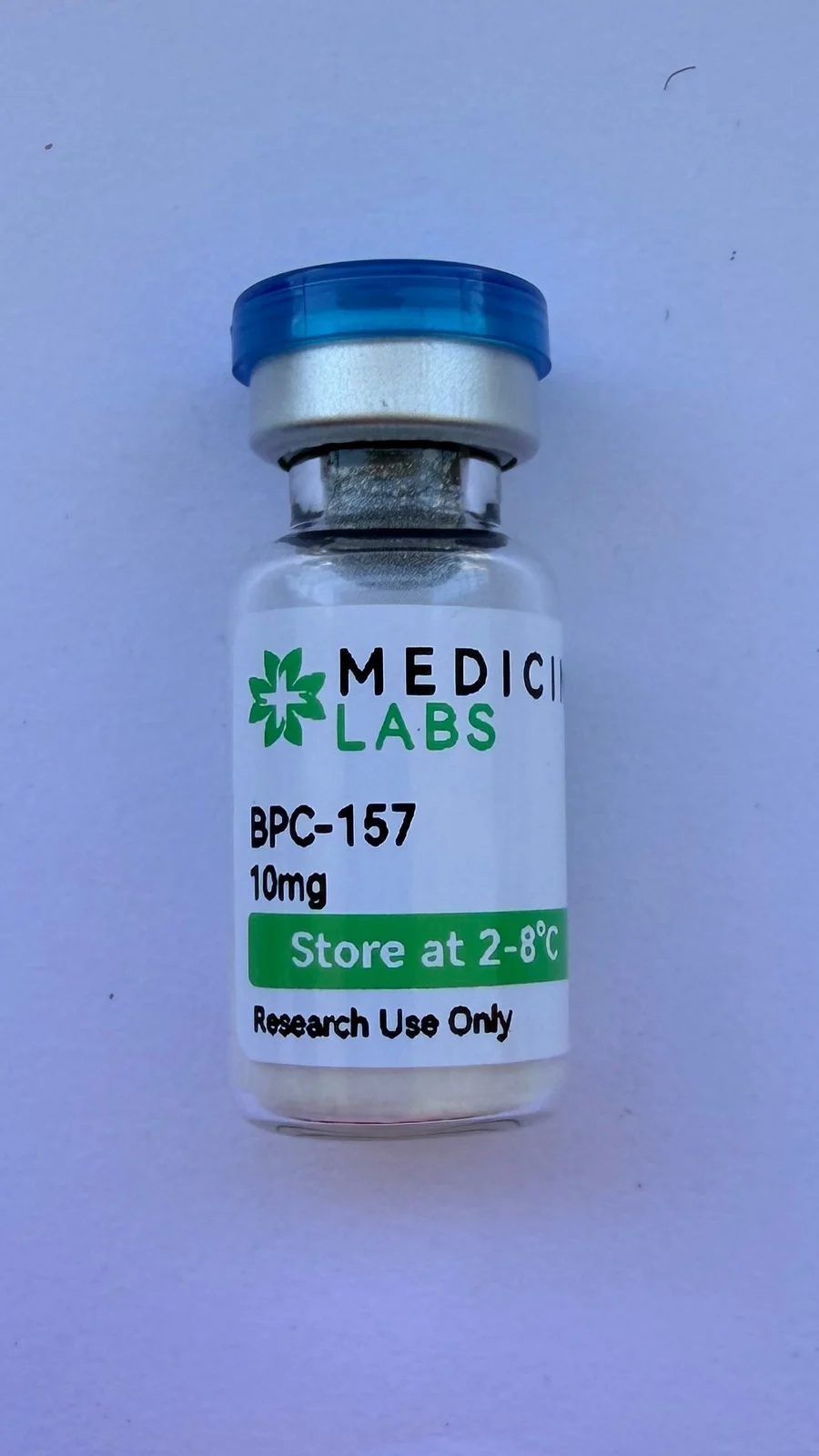
BPC-157
In Stock- CAS
- 137525-51-0
- Molecular weight
- 1419.5 g/mol
- Form
- Lyophilized powder
- Purity (HPLC)
- 99.71% HPLC-UV
- Storage
- -20°C or colder
- Lot / COA

- Free shippingOn every order
- Free 2nd Day AirOn orders $200+
Research Use Only
For laboratory research use only. Not for human consumption. All products are intended solely for laboratory research and are not for human or animal consumption. By purchasing, the buyer agrees to use these products in compliance with all applicable laws.
Specifications
- CAS
- 137525-51-0
- Molecular formula
- C62H98N16O22
- Molecular weight
- 1419.5 g/mol
- Form
- Lyophilized powder
- Purity (HPLC)
- 99.71% HPLC-UV
- Storage
- -20°C or colder
- Lot / COA
- PubChem CID
- 9941957
Certificate of Analysis
Independent analysis of this lot by Kovera Labs (HPLC-UV).
- Purity
- 99.71%
- Lot
- ML-260906
- Tested Most recent
- Sep 2026
BPC-157 Peptide Overview
BPC-157 (also written BPC 157) is a synthetic pentadecapeptide composed of 15 amino acids. It was originally derived from a naturally occurring protein fragment identified in gastric tissue. Since its discovery in the early 1990s, the BPC-157 peptide has been studied extensively in controlled experimental settings for its potential influence on molecular signaling, structural remodeling, and angiogenic processes.
BPC-157 is also supplied as one constituent of two multi-compound Medicina Labs research formulations, GLOW and KLOW.
A summary of the published BPC-157 literature and its limits is in our BPC-157 research overview.
History
The peptide was first synthesized by researchers characterizing peptide fragments of a larger protein isolated from gastric juice. Early experiments examined its activity in gastric mucosal models. Over time, studies broadened into structural, vascular, and epithelial systems, where BPC-157 has been used to examine collagen-associated signaling, angiogenic pathways, and cell-migration processes.
Research Findings
BPC-157 has been studied in structural, vascular, epithelial, and systemic models, with reports of activity in collagen regulation, extracellular matrix remodeling, angiogenesis, and molecular migration. Research has also examined the signaling mechanisms associated with this activity, including nitric oxide-associated and growth-factor receptor pathways, in preclinical systems.
Key Areas of Research:
- Structural: Collagen, matrix, tendon
- Vascular: Angiogenesis, nitric oxide, signaling
- Epithelial: Migration, vessel formation, matrix
- Systemic: Signaling, viability, pathway dynamics
Together, these findings suggest broad experimental utility for BPC-157 across multiple biological pathways. Its activity in structural, vascular, epithelial, and systemic models provides a foundation for exploring diverse aspects of molecular biology. By influencing processes such as collagen regulation, vascular formation, and molecular signaling, BPC-157 offers a versatile platform for research into pathway dynamics and cell-migration signaling within experimental settings.
Our Process

Precision Lyophilization
Each batch is freeze-dried and sealed for stability until reconstitution.

Verified Purity
Every batch is third-party tested with HPLC and mass spectrometry.

Careful Fulfillment
Orders ship within 24 hours from our U.S. facility.